DNA Test Results for Genealogy: A Beginner's Guide to Ethnicity and Cousin Matches
Your results arrive on a Tuesday, and suddenly you are 34 percent something you have never heard of, with 1,400 new cousins who seem to know each other far better than they know you. It is thrilling and confusing in equal measure. The good news is that you do not need a genetics degree to make sense of it. You need a notebook, a bit of patience, and a clear order of operations.
Here is how to read what the test actually gave you, and how to turn a list of names into a family tree.
What a DNA test can and cannot tell you
A typical autosomal test — the kind sold for genealogy — gives you three things. An ethnicity estimate, which is a statistical guess about where your DNA resembles the reference populations a company happens to have sampled. A match list, which is the genuinely useful part: real people who share measurable chunks of DNA with you. And a set of tools for comparing the two, such as chromosome browsers, shared match lists, and family tree links.
What it cannot do is hand you a pedigree. DNA confirms relationships; it rarely names them. If you want to know that your great-grandfather came from a specific parish, the test will point you toward a region and a set of cousins. The parish usually comes from a record. The two halves of this hobby work best when you stop expecting either one to do the other's job.
Reading your ethnicity estimate without overreacting
Ethnicity estimates are the flashiest part of the results and the least reliable. Treat them as a hint about broad regions, not a certificate of ancestry.
Why the percentages keep changing
Every company compares your DNA against a reference panel of living people and older samples, and those panels get revised. When a company adds more samples from, say, western Ireland or the Ashanti region, your map shifts. It is also normal for the same person to get different results from two different companies, because the panels and the algorithms differ. A number that moves by several percentage points after an update is not a correction of an earlier lie. It is a new estimate.
What the small percentages mean
Trace regions are the ones people argue about at dinner. A 1 percent result can reflect a genuine distant ancestor, or it can be statistical noise, or it can come from a neighbouring population that shares old DNA with the one you expected. Use it as a question to research, not a conclusion to announce. If a small percentage keeps appearing across several companies and matches your paper trail, take it seriously. If it appears once and vanishes on the next update, let it go.
Making sense of your cousin match list
Match lists are sorted by how much DNA you share, measured in centimorgans (cM). The larger the shared amount, the closer the relationship — and the more confident the predicted relationship. As you move down the list, both the amount and the accuracy shrink. Distant matches are leads, not relatives you can name with certainty.
Start at the top and work down
- Close matches (parent, sibling, aunt, first cousin): these are usually easy to identify and often confirm what you already suspected.
- Second and third cousins: the sweet spot for genealogy. You share a set of great- or great-great-grandparents, which is recent enough to find in records.
- Fourth cousins and beyond: useful for confirming a line you have already mapped, less useful as a starting point.
Use shared matches to build clusters
Click into a match and look at the "shared matches" list — the people who match both of you. Those overlapping names usually descend from one ancestral couple. Group them into clusters, give each cluster a nickname based on a surname or a place, and note which branch of your tree it probably belongs to. Two or three cousin clusters can tell you more in an afternoon than a year of guessing at surname spellings.
Do not message fifty people at once. Write to two or three mid-range matches with a short, specific note: who you are, the line you are researching, and one question. A short question gets an answer. A five-generation download gets ignored.
Pairing DNA with paper records
DNA tells you that two people are related. Records tell you how. The work is in the middle.
- Build a skeleton tree first. Names, dates, places for your parents and grandparents, from documents you can actually cite.
- Note your brick wall. Be specific: not "Ireland", but "which townland did Patrick come from before 1860?"
- Look for matches who share that brick wall. Filter your clusters for anyone whose tree includes the same surnames or places.
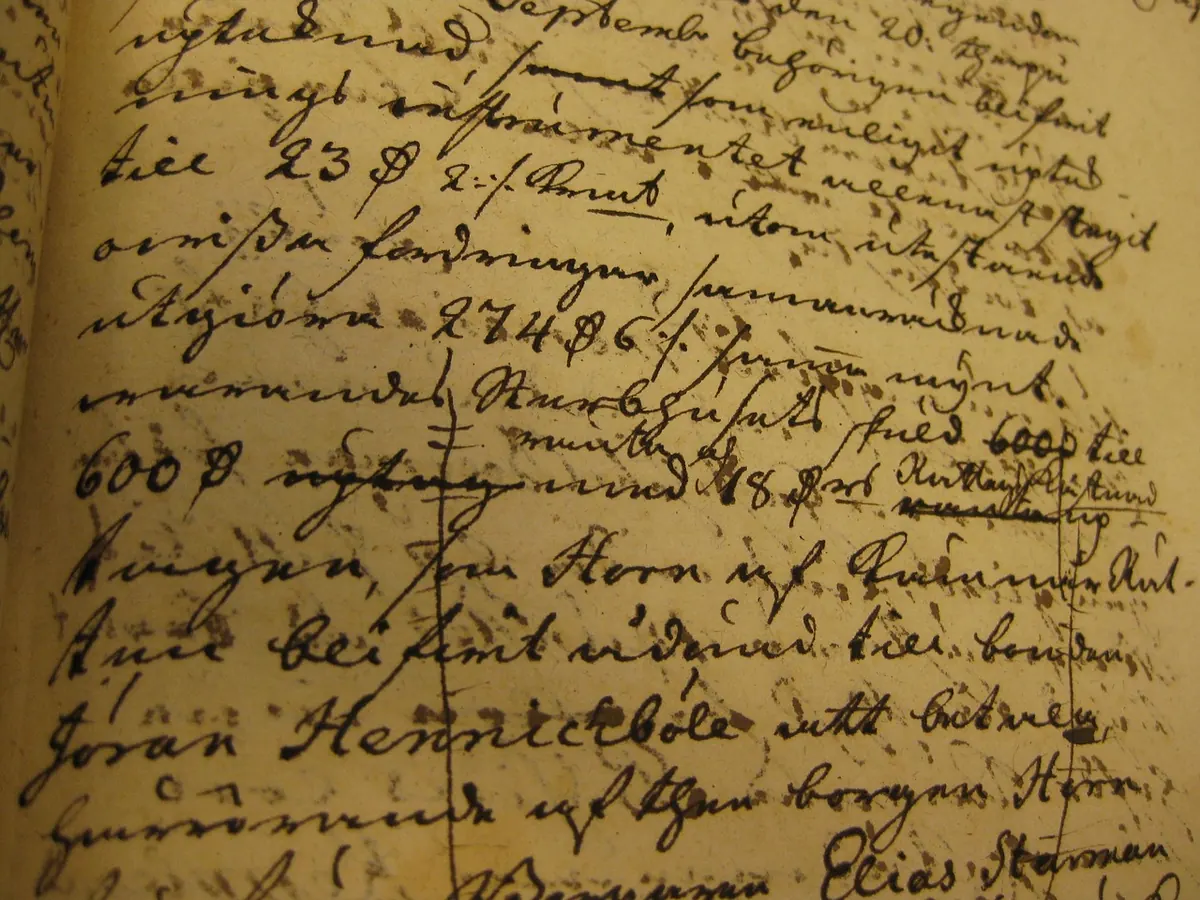
- Check the paper trail for the cluster's ancestors. Census records, civil registration, parish registers, land records, wills.
- Write down the working hypothesis. Then try to disprove it. If a record contradicts it, the hypothesis loses.
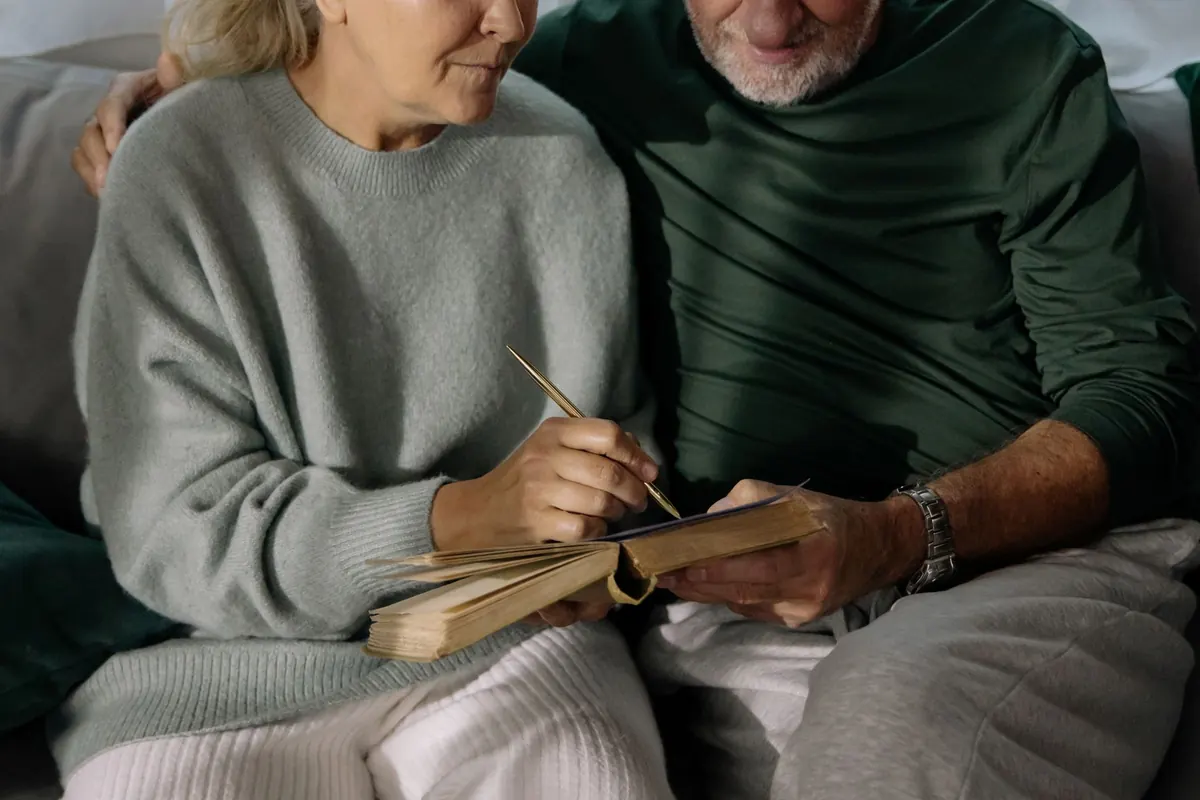
Keep a simple research log: date, source, what it said, what you concluded. Future you will not remember why you ruled something out.
Privacy, consent and family feelings
A DNA test reveals information about people who never agreed to be tested — parents, siblings, unknown relatives. Before you upload raw data anywhere or share a match list publicly, read the company's terms and check who can see your name and tree. Many people use a username rather than a full name, and set their tree to private but searchable.
Discovery is the other consideration. Unexpected parentage, half-siblings, and family secrets surface regularly in this hobby. If you find something that affects someone else's life, think before you send the email. For anything with legal, medical, or inheritance implications, talk to a qualified professional rather than relying on an online forum.
Your first month: a practical plan
Download your raw data and keep a copy. Write down the top twenty matches with their shared amounts. Identify two clusters and give them names. Build a five-generation skeleton tree with sources. Send three short messages. Then leave it alone for a week and come back with fresh eyes.
Your ethnicity estimate will keep changing. Your match list will keep growing as more people test. That is not a flaw in the process; it is the process. Start with one question, answer it properly, and let the next one arrive on its own.
Photo: shameersrk / Pixabay